
Noise is not only sound. It is the pressure to react, the repeated check for new information and the interior commentary that follows us after the screen is off. Stepping away can feel irresponsible when so much appears to need our attention. Sometimes it is the most responsible thing we can do.
The September 2026 liturgical calendar lists St Cuthbert, bishop, as an optional observance in England on 4 September. His commemoration offers a fitting day to consider solitude as a Christian discipline rather than an escape.
Notice what noise is doing to you
Not every busy environment is harmful. Families are lively, work can demand concentration and shared life includes interruption. The deeper question is whether the noise has taken control of our attention.
Look for the signs. Perhaps every spare second is filled with scrolling. Perhaps you carry other people’s arguments into meals. Perhaps a notification changes your mood before you even know what it says. Perhaps you cannot pray without mentally composing a reply.
Naming this pattern is not a reason for shame. It is a way to see where freedom has narrowed. You cannot choose a wiser use of attention while pretending nothing is competing for it.
Step away with a purpose
Withdrawal can be healthy or avoidant. The difference often lies in its purpose. If you leave a difficult situation only so you never have to face it, distance may harden into escape. If you step back to pray, understand and prepare a faithful response, distance can serve love.
Set a clear boundary around the pause. You might take ten minutes without news, messages or entertainment. Tell anyone who needs to know when you will be available again. Bring one concern into prayer rather than trying to solve your whole life at once.
The aim is not to become unreachable. It is to become more available to what matters.
Give your attention somewhere to rest
Removing noise is only half the work. An empty space can quickly fill with the same anxious thoughts unless attention has somewhere to rest.
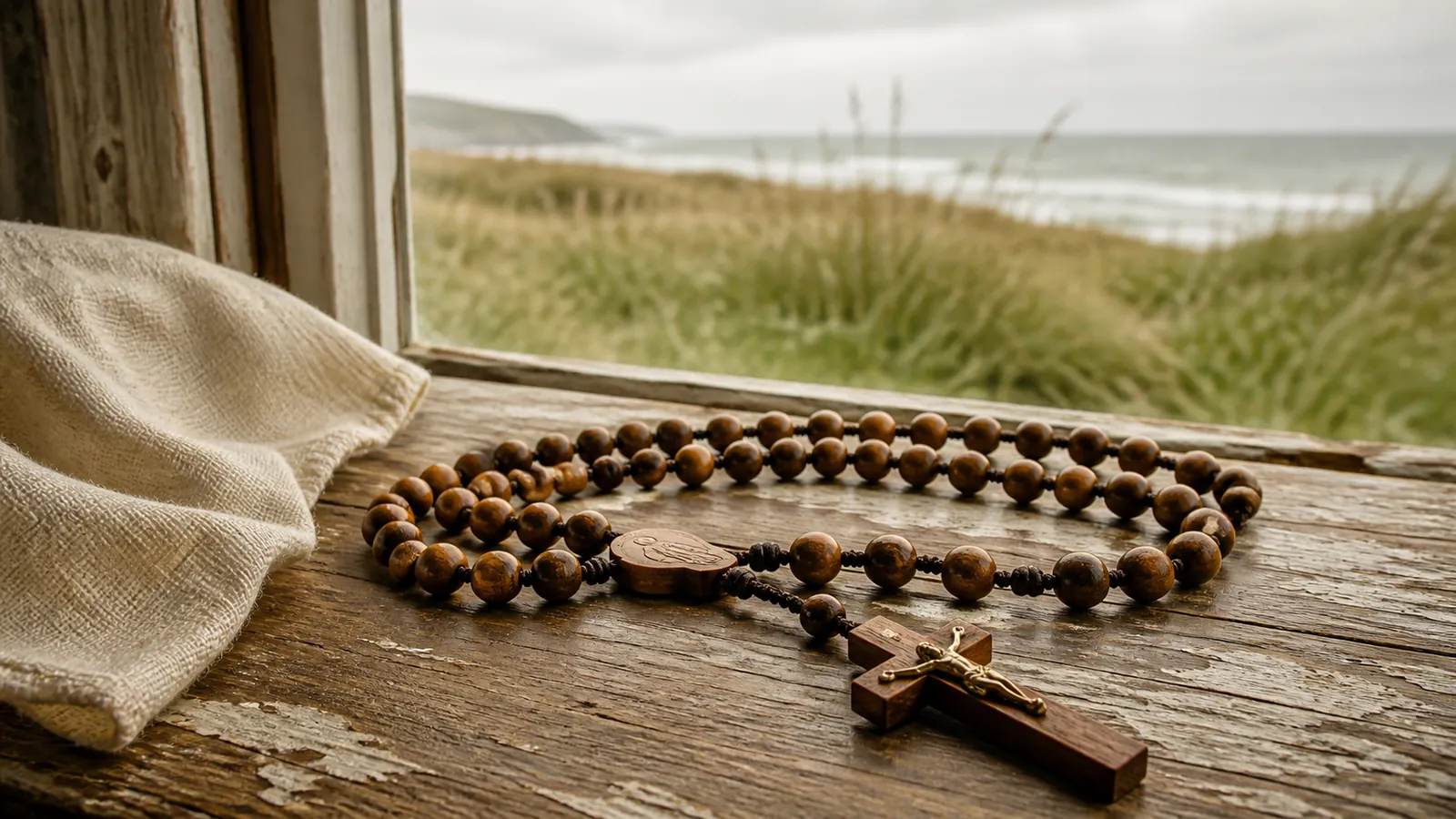
The Rosary offers a physical and spoken rhythm. Feel the beads in your hand. Choose the mysteries for the day or the ones connected to your intention. When the mind moves towards the latest demand, come back to the prayer you are saying and the scene you are contemplating.
This is not a contest in concentration. Distraction may happen many times. Each act of reorientation is a small choice about what will lead your attention.
If guided audio in Beadlight helps you keep the sequence without watching the screen, set it up first and place the phone out of reach. Let the tool reduce decisions rather than add another source of stimulation.
Let solitude tell the truth
When external voices recede, uncomfortable realities may become easier to hear. You may notice grief that busyness has covered, anger you have been rehearsing, or fatigue that no amount of scrolling will cure.
Do not force an immediate interpretation. Bring what you notice before God with plain words. “I am more hurt than I admitted.” “I am afraid of disappointing them.” “I need help.” Truthful prayer is more useful than a polished performance.
Some concerns also need human support. Solitude should not isolate you from a priest, trusted friend, counsellor or professional care when those are needed. Prayer can clarify the need to reach out.
Come back ready to love
Christian solitude faces towards communion. Time apart should make us more capable of patience, truth and service when we re-enter shared life.
Ask what changed during the pause. Is there an apology to make? A task to complete? A boundary to explain? A person who needs attention without a phone between you? If the prayer produces no clear insight, you can still choose the next responsible action already known to you.
This guards against using spirituality as a refuge from ordinary obligations. The value of stepping away is tested, in part, by the love with which we step back in.
Protect a small threshold
You do not need a remote island or an empty house. Create a threshold that fits the day: the first ten minutes after waking, a walk without headphones, the car before entering work, or a chair after everyone else is settled.
Protect it from automatic input. Keep the Rosary there. Decide in advance which device settings will prevent interruption. Consistency matters less than honesty about what the space is for.
If other people share the space, explain the short pause rather than disappearing without warning. A clear arrangement can protect prayer while still respecting the needs of family, colleagues or those in your care.
Today, choose ten minutes and one concern. Put every screen beyond reach, hold the Rosary and pray without trying to produce a special feeling. At the end, write one sentence: “The next loving thing I can do is…” Then re-enter the day and do it.